
Themis
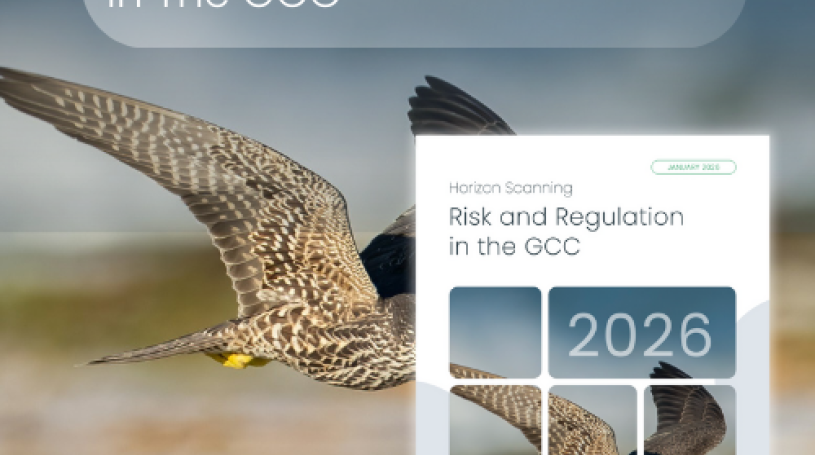
Themis has published its annual horizon scanning report examining the evolving financial crime threat landscape across the Gulf Cooperation Council region for 2026. As GCC economies continue to digitise and diversify, criminal networks are becoming increasingly sophisticated, interconnected and adaptive, leveraging AI, digital assets and globalised infrastructure to facilitate crimes and move funds across jurisdictions with unprecedented speed.
The report identifies several critical trends shaping the regional risk landscape this year. AI-enabled financial crime is rapidly accelerating, with criminals deploying deepfakes, synthetic identities and automated fraud toolkits at scale. Digital assets remain a dominant risk area, particularly as crypto adoption expands and state-sponsored actors increasingly target the sector. Meanwhile, professionally organised cybercrime syndicates are exploiting supply chain vulnerabilities, sanctions regimes and beneficial ownership opacity to generate substantial illicit revenues.
The regulatory landscape is also evolving rapidly in response. The UAE's new Federal Decree-Law No. 10 of 2025 has expanded AML obligations, doubled maximum penalties and introduced stricter accountability for senior management. Bahrain and Saudi Arabia have similarly strengthened their AML/CFT frameworks, with both countries, alongside the UAE, set to undergo MENAFATF evaluations this year. Businesses can expect greater supervisory intensity, more outcome-focused assessments and less tolerance for compliance gaps as regulators demonstrate the effectiveness of their reforms.
The report underscores the importance of embedding strategic risk management into core operations, strengthening controls proactively and maintaining close engagement with evolving regulatory expectations. Organisations that invest now in understanding regulatory direction and stress-testing their exposure will be better positioned to manage both emerging criminal threats and regulatory enforcement risk as scrutiny intensifies through 2026 and beyond.
Click HERE to read more...